
Games · 1954
Mainframes and Arcades: The Dawn of Simulation
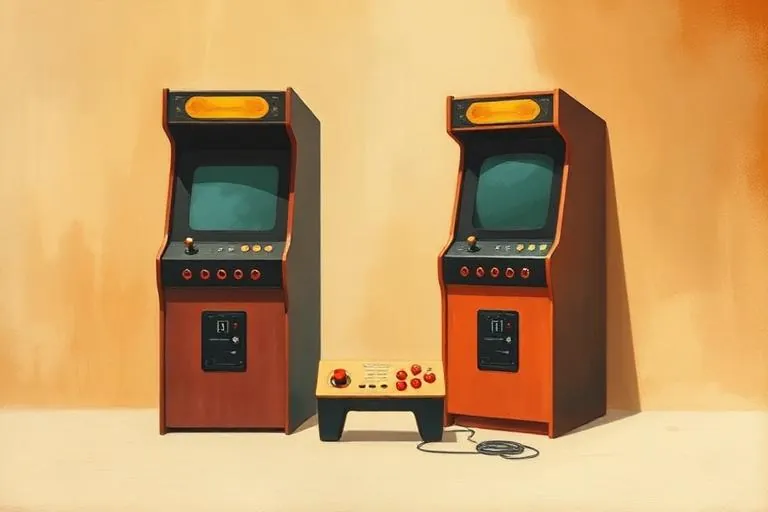
In 1954, digital computing moved from pure arithmetic toward interactive simulations and early game intelligence on room-sized mainframes. Meanwhile, electromechanical arcade halls flourished with innovative target shooters and complex pinball mechanics across North America.
- 1954 | IBM 701 Mainframe | Game AI
Arthur Samuel's Checkers
Arthur Samuel demonstrated an upgraded checkers program on the IBM 701 featuring early self-learning capabilities, marking a seminal milestone in artificial intelligence and computerized board games.
- 1954 | IBM 701 | Strategy Simulation
Hutspiel War Game
Developed by Johns Hopkins University researchers, Hutspiel was a pioneering mainframe war game that simulated tactical NATO and Soviet military engagements using computer calculations.
- 1954 | MIT Whirlwind | Hardware
MIT Whirlwind Light-Pen Displays
MIT's Whirlwind computer demonstrated interactive CRT displays and light-pen input in 1954, establishing foundational technology for real-time visual interaction in future video games.
- 1954 | IBM | Mainframe Hardware
IBM 701 Mainframe Platform
As IBM's commercial scientific computer, the 701 served as the premier hardware platform for 1954's most advanced digital simulations and experimental game logic across top research labs.
- 1954 | Arcade | Target Shooter
Exhibit Supply's Shooting Gallery
This popular electromechanical arcade cabinet used optical photo-cell targets and realistic rifle hardware to deliver interactive target shooting in mid-century amusement halls.
- 1954 | Gottlieb | Arcade Pinball
Gottlieb's Stage Coach Pinball
D. Gottlieb & Co. released Stage Coach, a standout electromechanical pinball machine featuring detailed Western artwork and innovative multi-player score-tracking reels.
- 1954 | Bally | Electromechanical
Bally Variety Bingo Machine
Bally's Variety dominated arcade earnings in 1954 with its intricate mechanical playfield devices, adjustable card features, and fast-paced multi-ball gameplay.
- 1954 | Mainframe | Game AI Research
Early Computer Chess Logic Research
Computer scientists in 1954 began coding routine structures for chess logic on upcoming mainframe systems, laying essential groundwork for fully playable digital board games.
Enjoyed your trip back in time?