Television · 1932
Flickering Images and the Dawn of Broadcasting
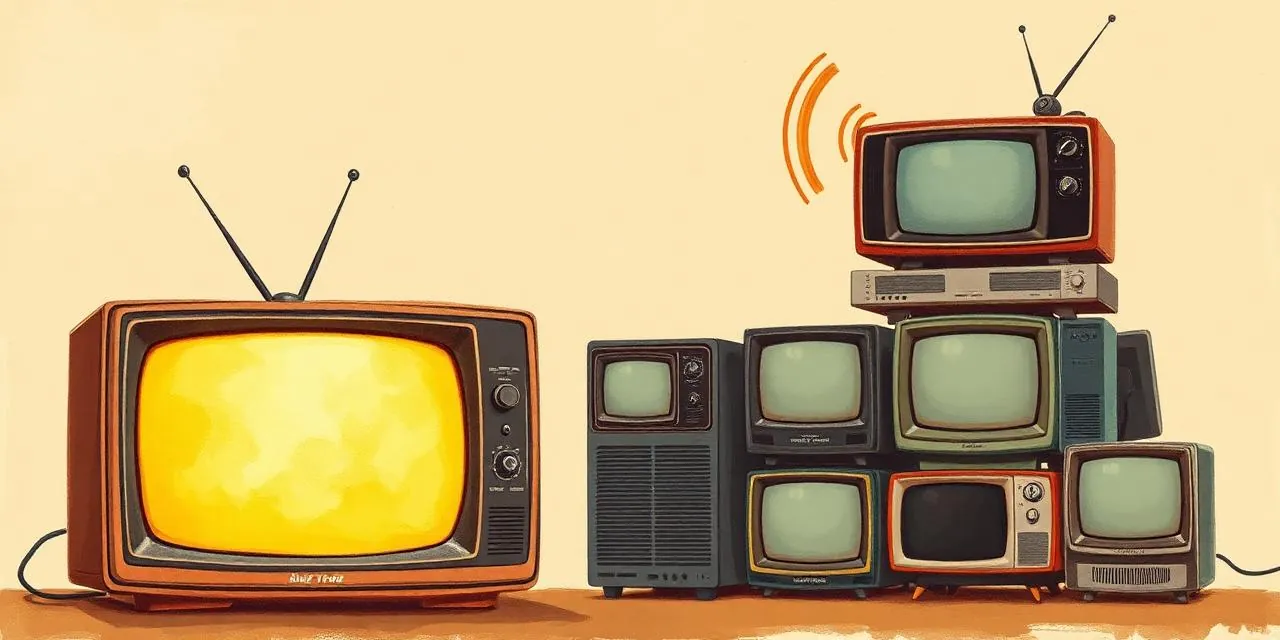
In 1932, television emerged from laboratory curiosity into regular experimental broadcasting across Europe and America. From the BBC's first official transmissions to live sports coverage, mechanical systems began proving the immense potential of the medium.
- BBC / UK / Broadcast Milestone
BBC Experimental Television Service
The BBC launches regular experimental television transmissions from Broadcasting House using John Logie Baird's 30-line electromechanical system.
- Baird Television / UK / Live Sports
The Epsom Derby Live Relay
John Logie Baird successfully transmits live television pictures of the Epsom Derby horse race to a large viewing screen at the Metropole Cinema in London.
- W2XAB / USA / News Broadcast
First Televised U.S. Election Coverage
Experimental station W2XAB in New York airs live televised updates of the presidential election race between Franklin D. Roosevelt and Herbert Hoover.
- RCA / USA / Technical Milestone
RCA Empire State Building Transmitter
RCA commences experimental electronic television transmissions from its newly installed antenna atop the Empire State Building in New York City.
- W2XAB / USA / Drama Series
The Television Ghost Finale
Early television's iconic mystery series starring Alexander Kirkland as a phantom recounting his own murder completes its historic experimental run.
- Compagnie des Compteurs / France / Milestone
René Barthélemy's French Transmissions
Engineer René Barthélemy inaugurates regular 60-line experimental television broadcasts from Montrouge for French television pioneers.
- BBC / UK / Variety
BBC Inaugural Variety Transmission
The BBC's first public television broadcast features musical performances by singer Adele Dixon and dance numbers by the Paramount Astoria Girls.
- RVIS / USSR / Broadcast Milestone
Moscow Mechanical TV Broadcasts
The Soviet Union initiates regular mechanical television transmissions using a 30-line system from the All-Union Radio Committee in Moscow.
Enjoyed your trip back in time?