
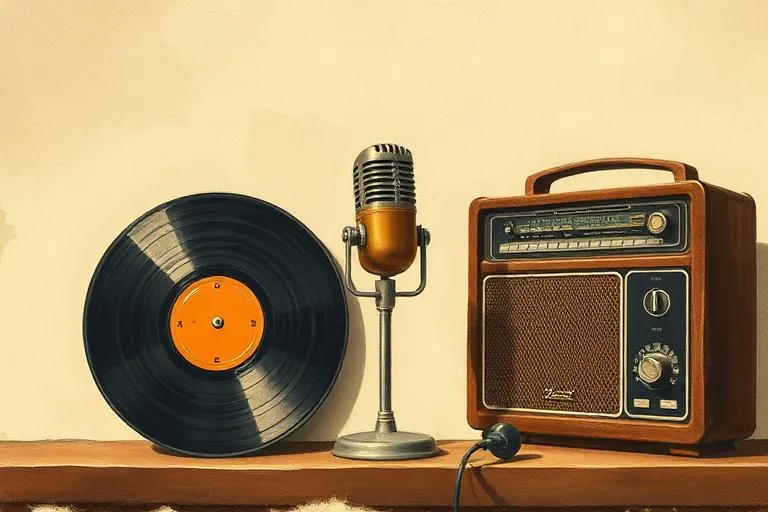
Music · 1938
Swing Rules the Airwaves and Carnegie Hall
In 1938, jazz and swing reached an unprecedented peak of mainstream legitimacy, famously highlighted by Benny Goodman bringing big band music to Carnegie Hall. Meanwhile, blues pioneers recorded timeless classics and gospel soared, providing solace amid the lingering Depression and mounting global tensions.
- Jan 16, 1938 | Live Concert | USA
Benny Goodman's Carnegie Hall Concert
Benny Goodman brought jazz to a prestigious classical venue, delivering a legendary performance that legitimized swing music for mainstream America.
- May 1938 | Hit Single | Ella Fitzgerald
"A-Tisket, A-Tasket"
Ella Fitzgerald scored her breakout hit with a catchy jazz adaptation of a nursery rhyme alongside Chick Webb's orchestra.
- Dec 23, 1938 | Concert | New York
From Spirituals to Swing Concert
Organized by John Hammond, this landmark showcase introduced Black American gospel, blues, and jazz traditions to a diverse Carnegie Hall audience.
- 1938 | Swing Single | Count Basie
"Jumpin' at the Woodside"
Count Basie and His Orchestra released this energetic swing track, cementing their reputation as masters of the Kansas City big band style.
- Oct 1938 | Gospel Debut | Sister Rosetta
"Rock Me"
Sister Rosetta Tharpe recorded her first tracks for Decca Records, blending gospel vocals with driving guitar technique that foreshadowed rock and roll.
- Feb 1938 | Debut | Country
Roy Acuff Joins the Grand Ole Opry
Roy Acuff made his debut on the Grand Ole Opry, quickly becoming country music's first national superstar with his emotional vocal style.
- Nov 11, 1938 | Radio Premiere | USA
"God Bless America"
Kate Smith premiered Irving Berlin's patriotic anthem during a live Armistice Day radio broadcast, creating an instant national classic.
- 1938 | Collaboration | Big Band
Billie Holiday Joins Artie Shaw
Billie Holiday broke ground by touring as a Black female vocalist with Artie Shaw's all-white orchestra, pushing against severe racial segregation.
Enjoyed your trip back in time?