
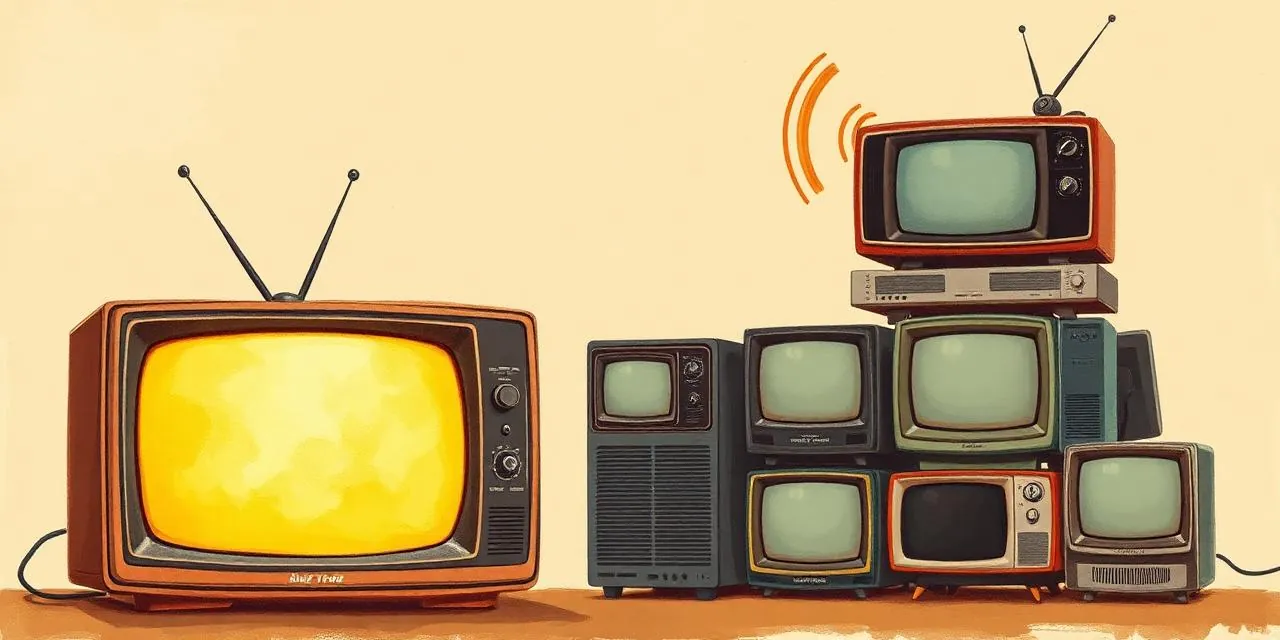
Television · 1929
Dawn of Mechanical Scans and Electronic Shadows
In 1929, television emerged from university laboratories and experimental shacks into public consciousness as early mechanical broadcasts flickered across Britain, Germany, and America. Pioneering inventors laid the foundations of color transmission and cathode-ray receivers just as the decade drew to a close.
- August 1929 | BBC / Baird | UK
BBC Begins Experimental Baird Transmissions
The British Broadcasting Corporation partnered with John Logie Baird to launch the UK's first experimental 30-line mechanical television broadcasts from London.
- 1929 | W2XBS (RCA) | USA
Felix the Cat Becomes Television's First Star
Engineers at RCA's experimental station W2XBS placed a rotating papier-mâché Felix the Cat figurine on a phonograph turntable to test image resolution and signal clarity.
- June 27, 1929 | Bell Labs | USA
Bell Labs Demonstrates Mechanical Color TV
Bell Telephone Laboratories held a public demonstration in New York City transmitting color images through a three-color mechanical scanning disc system.
- Nov 18, 1929 | Westinghouse / RCA | USA
Vladimir Zworykin Unveils the Kinescope
Inventor Vladimir Zworykin presented his landmark all-electronic cathode-ray television receiver, dubbed the kinescope, at an engineering convention in Rochester.
- March 8, 1929 | Reichspost | Germany
German Reichspost Launches Berlin Broadcasts
Germany entered the television race as the Reichspost initiated experimental 30-line mechanical broadcasts from the Witzleben radio tower in Berlin.
- March 1929 | W3XK | USA
Jenkins W3XK Begins Regular Scheduled TV
Charles Francis Jenkins expanded scheduled television transmissions from his Maryland station W3XK, beaming silhouetted motion picture reels to early receiver owners.
- September 30, 1929 | Baird TV | UK
First Live Variety Performance on Baird TV
Baird's London studio produced a pioneer live musical performance starring singer Sydney Howard, transmitting both audio and synchronized video over radio waves.
- 1929 | W2XCR / WRNY | USA
W2XCR Expands Mechanical TV in New York
Publisher Hugo Gernsback pioneered early commercial TV experiments in Manhattan, transmitting synchronized sight and sound broadcasts on station W2XCR.
Enjoyed your trip back in time?