Toys · 1906
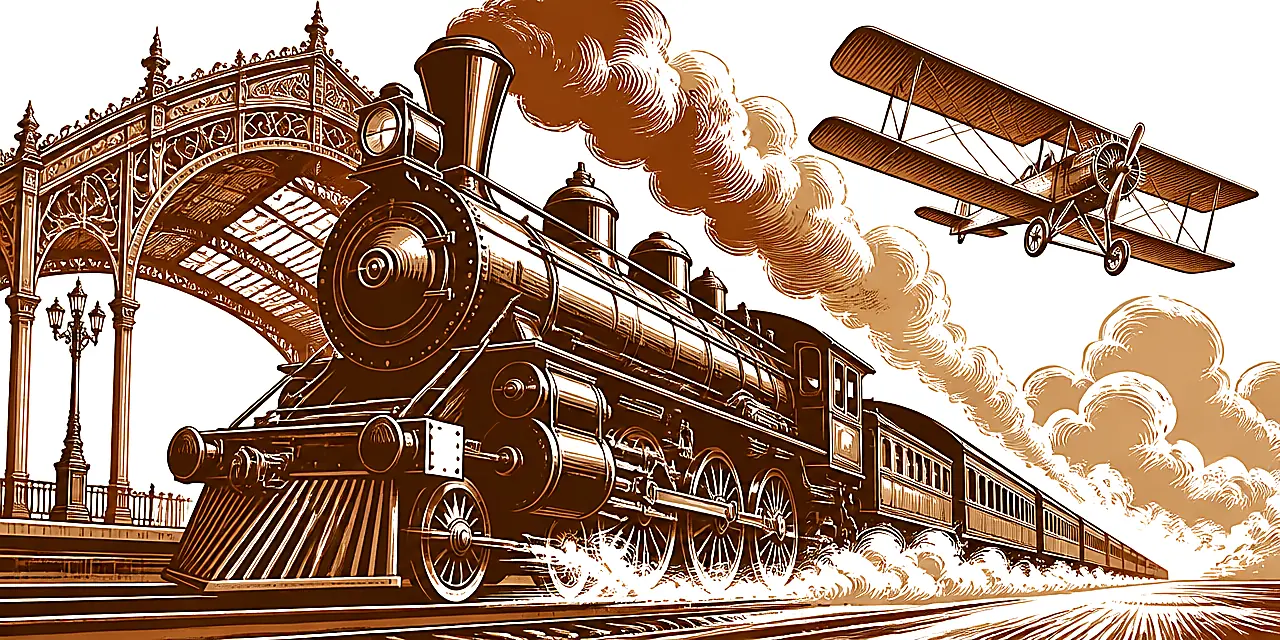
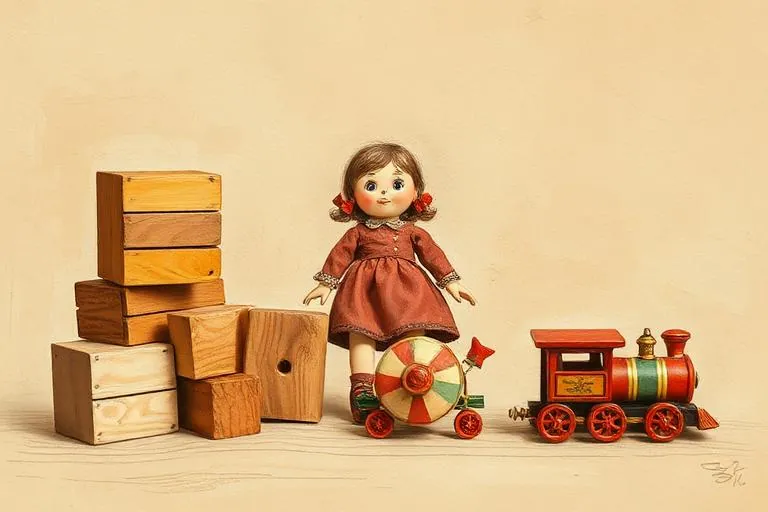
The Golden Era of Teddy Bears and Trains
In 1906, playroom innovations reached new heights as soft plush craze swept through homes alongside intricate mechanical tinplate models. Children embraced early card games and electric toy trains as mass manufacturing transformed play across North America and Europe.
- 1906, Parker Brothers, Board/Card Game
Rook
Invented by George S. Parker in 1906, this trick-taking card game offered families a wholesome alternative to traditional playing cards and quickly became an enduring bestseller.
- 1906, Lionel, Electric Model Train
Lionel Standard Gauge Trains
Joshua Lionel Cowen introduced the 21/8-inch Standard Gauge electric train in 1906, establishing a major milestone for miniature railroading.
- 1906, Steiff, Plush Toy
Steiff Teddy Bear Craze
Richard Steiff's soft plush bear reached the peak of its global craze in 1906, cementing the permanent nickname inspired by President Theodore Roosevelt.
- 1906, Gustave Philippart, Outdoor Toy
Diabolo Playground Revival
Engineered by Gustave Philippart and popularized in 1906, this spinning spool outdoor craze swept across Parisian and British parks.
- 1906, A. Schoenhut Co., Wooden Playset
Schoenhut Humpty Dumpty Circus
Featuring jointed wooden figures of acrobats, clowns, and circus animals, this versatile play system was one of America's most beloved toys in 1906.
- 1906, Parker Brothers, Card Game
Pit Card Game
Simulating the chaotic noise of the Chicago Board of Trade, this fast-paced commodity trading card game remained a massive parlor hit in 1906.
- 1906, Binney & Smith, Craft Supply
Crayola 8-Color Crayon Box
Binney & Smith's iconic green-and-yellow box of non-toxic wax crayons saw widespread adoption in elementary classrooms and nurseries by 1906.
- 1906, Märklin, Clockwork/Steam Toy
Märklin Tinplate Steam Toys
German toy maker Märklin dominated international markets in 1906 with highly detailed clockwork ships, stations, and live-steam locomotives.
Enjoyed your trip back in time?